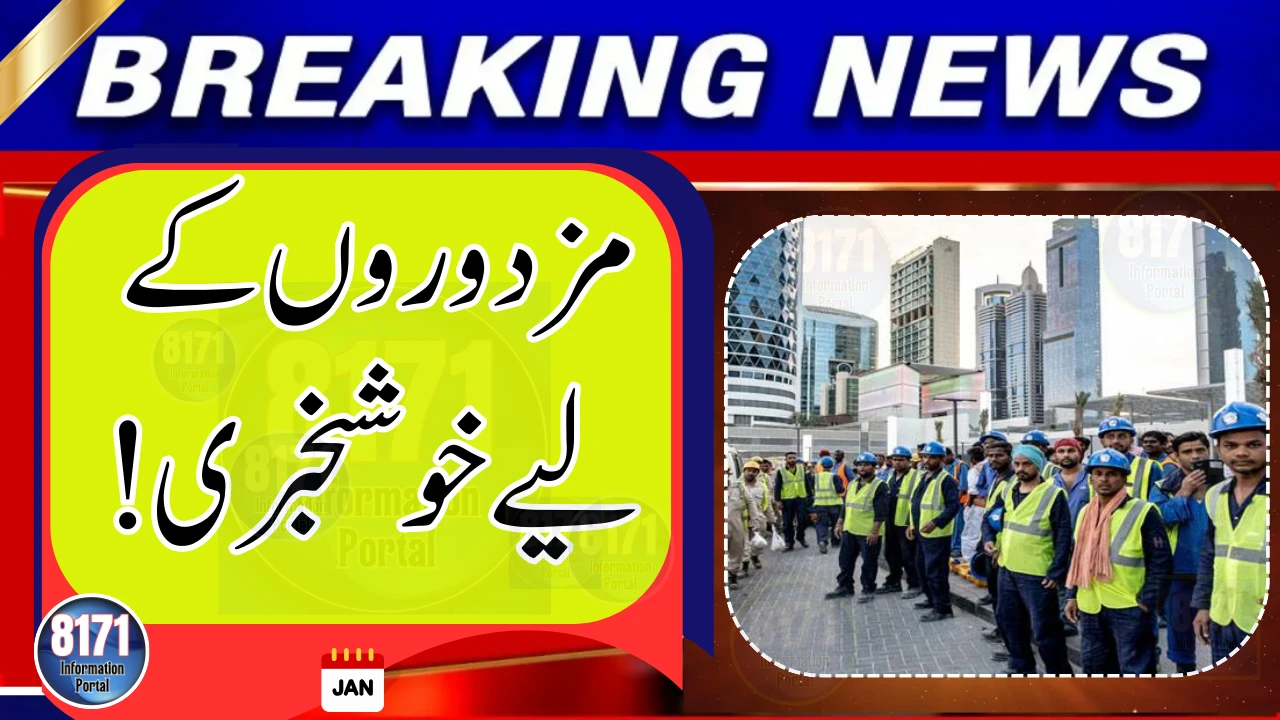
In what comes as a major development for overseas employment, Russia is expected to receive at least 40,000 Indian workers this year, with numbers likely to rise further by the end of 2026.
The announcement was made by Boris Titov, Russia’s Special Representative for Relations with International Organizations in the field of Sustainable Development.


Labor Migration Linked to High-Level Agreement
The growing inflow of workers is directly connected to a labor mobility agreement signed between Indian Prime Minister Narendra Modi and Russian President Vladimir Putin in December 2025 in New Delhi.



Under this agreement:
-
A quota of over 70,000 Indian workers has been allocated for 2026
-
Labor movement between the two countries has been formally streamlined
-
Russia aims to address its growing workforce shortage
Indian Presence in Russia Already Rising
According to India’s Ambassador to Russia, Vinay Kumar, between 70,000 and 80,000 Indian nationals were already working in Russia by the end of 2025.
Research data cited by DW shows that border statistics clearly indicate a steady increase in Indian citizens entering Russia, particularly for employment purposes.
Higher Wages Driving the Migration
One of the biggest attractions for workers is significantly higher pay compared to earnings in India.
Reports indicate that:
-
Low-skilled Indian workers earn between $500 and $1,111 per month
-
In some cases, monthly salaries reach 100,000 rubles (around $1,316)
-
Additional benefits include free accommodation, meals, and Russian language courses
These incentives make Russia an increasingly attractive destination for foreign labor.
Indian Workers Take Up Municipal Jobs
Russian media outlet Fontanka recently reported on Indian workers engaged in street cleaning jobs in Saint Petersburg.
According to city authorities:
-
Around 3,000 Indian workers have arrived in Saint Petersburg alone
-
Most are employed in municipal services and low-skill sectors
-
The city administration has welcomed the workforce to meet labor shortages
Why the Deal Benefits Both Countries
An Indian diplomat, speaking anonymously due to diplomatic sensitivities, explained that the labor agreement serves mutual interests.
“Russia needs workers, and India needs to export unemployment,” the diplomat stated.
The arrangement helps Russia fill workforce gaps while offering Indian workers better income opportunities abroad.
A Growing Trend to Watch
With labor shortages expected to persist in Russia, experts believe foreign worker inflows could increase further in the coming years, making this agreement a long-term shift rather than a short-term move.