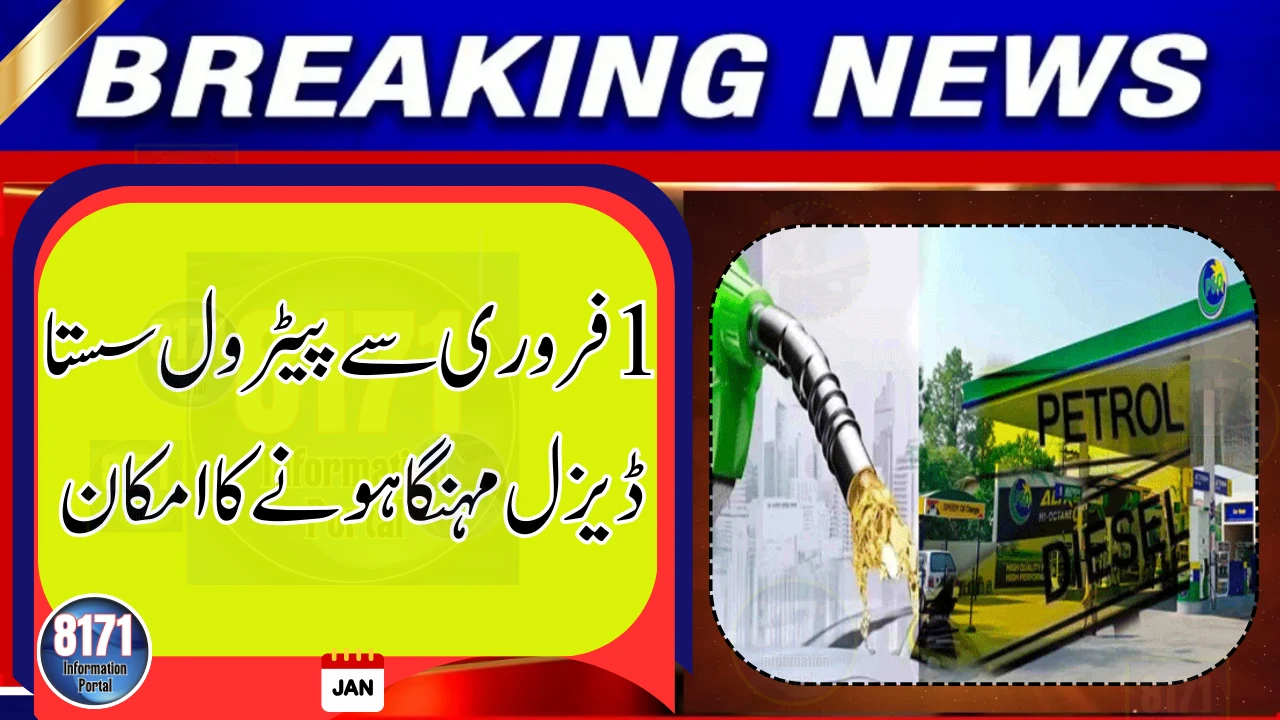
Fuel prices in Pakistan remain a major concern for the public. But many consumers still don’t know how much of the per litre price actually goes toward taxes.
According to official documents from the Ministry of Energy, the tax component in petrol and diesel prices is significant — and it directly impacts inflation, transport fares, and daily living costs.


Here is the full breakdown.
Total Tax on Petrol Per Litre
Per litre of petrol:
-
Rs 100.21 is charged in total taxes
-
This makes up approximately 39% of the total price
Tax Components in Petrol
-
Custom Duty: Rs 13.31
-
Petroleum Levy: Rs 84.40
-
Climate Support Levy: Rs 2.50


This means that a major portion of what consumers pay at the pump goes directly to government levies rather than fuel import cost.
Total Tax on Diesel Per Litre
For diesel:
-
Rs 94.93 is collected in taxes
-
This equals about 34% of the per litre price
Tax Components in Diesel
-
Custom Duty: Rs 15.68
-
Petroleum Levy: Rs 76.21
-
Climate Support Levy: Rs 2.50
Although diesel carries slightly lower overall tax compared to petrol in percentage terms, the levy component still remains substantial.
What Do Oil Companies and Dealers Earn?
Beyond taxes, additional margins are also included in fuel prices.
According to official data:
-
Oil Marketing Companies (OMCs) receive Rs 7.87 per litre (petrol & diesel separately)
-
Fuel Dealers receive Rs 8.64 per litre
These margins are part of the regulated pricing structure and are added before the final retail price is announced.
Why Fuel Taxes Matter for Ordinary Pakistanis
Fuel prices affect:
-
Public transport fares
-
Goods transportation cost
-
Food inflation
-
Industrial production cost
Since diesel is widely used in transport and agriculture, even small adjustments in tax rates can impact national inflation.
Petrol, on the other hand, directly affects private vehicle users and motorcycle riders.
Understanding the Petroleum Levy
The Petroleum Levy is currently the largest component in fuel taxation.
Unlike some other taxes, this levy goes directly to the federal government and plays a role in:
-
Revenue generation
-
Budget deficit management
-
IMF-related fiscal targets
Because it is adjustable by the government, it often changes in response to economic conditions.
Why Is Climate Support Levy Included?
The Climate Support Levy of Rs 2.50 per litre is aimed at:
-
Supporting environmental initiatives
-
Funding climate-related programs
-
Aligning with global sustainability commitments
However, critics argue that consumers are already burdened with high fuel prices.