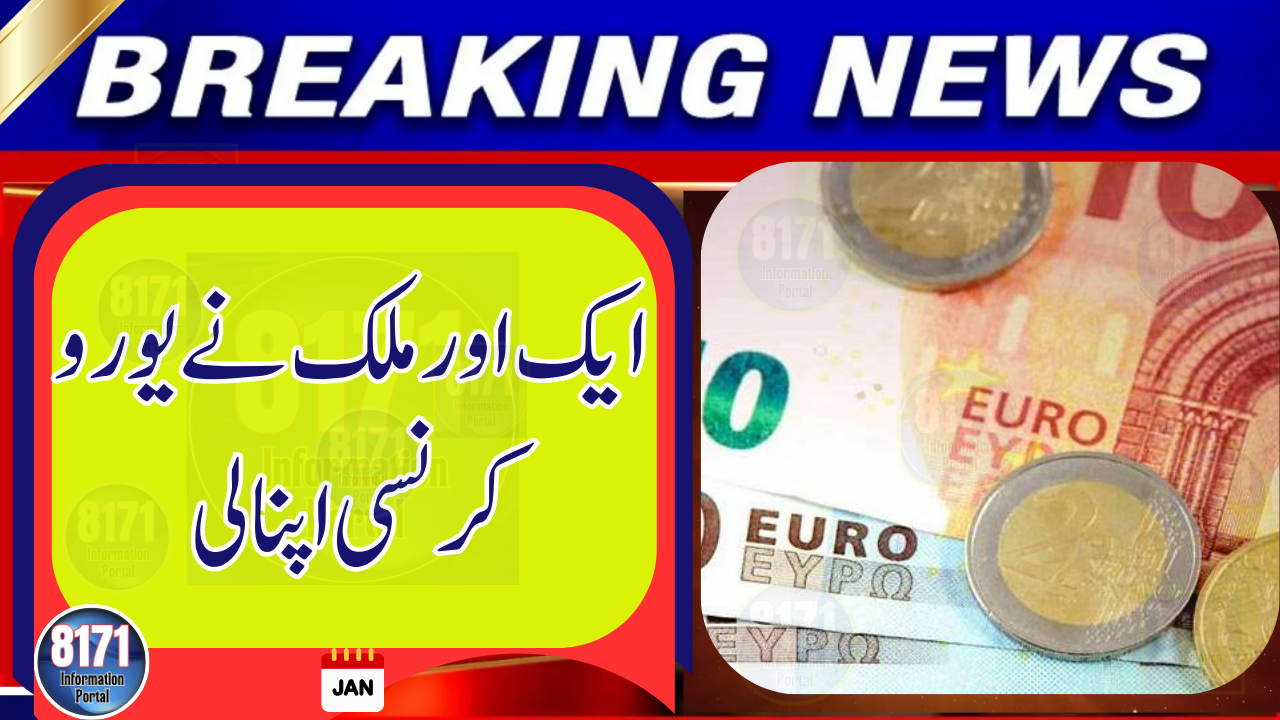
Southeastern European country Bulgaria has officially adopted the euro, ending decades of use of its national currency, the lev.
With this move, Bulgaria becomes the 21st country to join the Eurozone, nearly two decades after becoming a member of the European Union. The transition took effect overnight, marking the end of the lev, which had been in use since the late 19th century.



European Central Bank President Christine Lagarde welcomed the decision, saying she was pleased to welcome Bulgaria into the “euro family.”
The move has triggered mixed reactions across the country. Many citizens welcomed the change, expressing hope that adopting the euro would help strengthen Bulgaria’s fragile economy, deepen its integration with Western institutions, and reduce external influence, including from Russia.
However, concerns and unease were also evident. Bulgaria, with a population of around 6.4 million, remains the poorest member of the European Union, and some fear price increases and economic uncertainty.
In a televised address shortly before midnight, President Rumen Radev described the adoption of the euro as the “final step” in Bulgaria’s integration into the EU. However, he criticized the lack of a public referendum, saying such a major decision should have involved broader public consultation.